
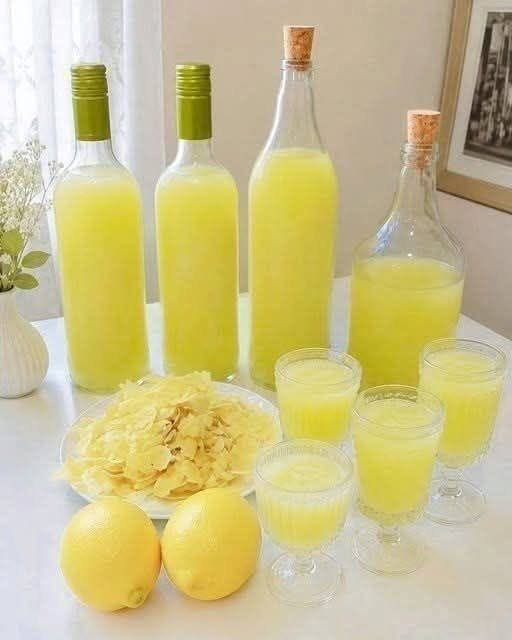
I usually make ginger water when I want something refreshing but don’t feel like drinking another cup of tea or plain water. It’s incredibly simple: fresh ginger, water, and a little lemon if I have some on hand.
Honestly, what I love most is the flavor. Ginger gives the water a warm, slightly spicy kick, while lemon makes it bright and refreshing. It’s especially nice served cold from the refrigerator on a hot afternoon.
You’ll often see ginger water described online as a “fat-burning” or “natural morphine” drink. I wouldn’t make those claims. Ginger isn’t a magic drink that selectively burns fat from your abdomen, neck, arms, back, or thighs, and it isn’t a natural form of morphine. Research on ginger for joint or muscle pain is still mixed, although some studies have explored possible benefits.
So I think of this as what it really is: a delicious, low-calorie homemade drink that can be part of a healthy routine.
Why I Keep Making Ginger Water
There are a few reasons this has become a regular in my kitchen:
-
It’s incredibly easy to make
-
Naturally refreshing
-
Very low in calories
-
No added sugar is necessary
-
Easy to prepare ahead
-
Great served hot or cold
-
Lemon adds a lovely fresh flavor
-
A simple alternative to sugary drinks
And because ginger has such a strong flavor, you don’t need much of it.
Ingredients
For about 4 servings
-
1½–2 inches (about 40–50 g) fresh ginger root
-
4 cups (1 liter) water
-
1 lemon, sliced or juiced
-
1–2 teaspoons honey, optional
-
A few fresh mint leaves, optional
-
Ice, for serving
For a no-added-sugar version
Simply leave out the honey.
I actually prefer it that way most of the time. The ginger and lemon provide enough flavor without turning the drink into a sweet beverage.
How to Make Ginger Water
Step 1: Prepare the Ginger
Wash the ginger root thoroughly.
You can peel it with a vegetable peeler or simply scrape the thin skin off with the edge of a teaspoon.
I usually slice the ginger fairly thinly because it allows the flavor to come out quickly.
For a stronger drink, grate the ginger instead.
Step 2: Simmer the Ginger
Pour the water into a saucepan and add the sliced ginger.
Bring everything to a gentle boil.
Once it starts boiling, reduce the heat and simmer for approximately 10–15 minutes.
Don’t boil it aggressively. A gentle simmer is all you need.
Step 3: Let It Steep
Turn off the heat and let the ginger sit in the hot water for another 5–10 minutes.
This gives the water plenty of time to develop that lovely warm ginger flavor.
If you’re sensitive to strong ginger, you can shorten the steeping time.
Step 4: Strain
Pour the ginger water through a fine strainer into a large jug.
Discard the ginger pieces or save them for another use.
At this point, you have a simple homemade ginger infusion.
Step 5: Add Lemon
Let the ginger water cool slightly before adding fresh lemon juice.
I usually start with the juice of half a lemon, taste it, and then add more if needed.
For a beautiful presentation, add a few thin lemon slices to the jug.
Step 6: Chill and Serve
Refrigerate for at least an hour, or serve immediately over plenty of ice.
Add fresh mint if you like.
On a hot day, honestly, a glass of this straight from the refrigerator is hard to beat.
Cold-Brew Ginger Water Method
If you don’t want to turn on the stove, there’s an even easier option.
Thinly slice fresh ginger and place it in a large jug of cold water.
Refrigerate for 4–8 hours, then strain and add lemon.
The flavor will be milder than simmered ginger water, but it’s incredibly refreshing.
Cooking Tips for the Best Ginger Water
Choose fresh ginger
Look for ginger that feels firm and has smooth, relatively tight skin.
If it feels soft, shriveled, or moldy, choose another piece.
Adjust the strength
There’s no perfect amount of ginger.
If you like a strong, spicy flavor, use more ginger or steep it longer.
For a gentler drink, use fewer slices and a shorter steeping time.
Don’t add lemon too early
I prefer adding lemon after cooking.
This keeps the flavor fresh and bright.
Skip the sugar
If your goal is simply a refreshing low-calorie drink, there’s no need to add sugar.
If you really want sweetness, a small amount of honey works well.
Make a batch
I usually make a jug at a time and keep it refrigerated so I can pour a glass whenever I want something flavorful.
Serving Suggestions
There are so many easy ways to change this drink.
Ginger Lemon Water
The classic combination—fresh ginger, lemon, and ice.
Ginger Mint Water
Add a handful of fresh mint leaves for a cool, refreshing flavor.
Ginger Cucumber Water
Add several thin cucumber slices to the chilled jug.
Ginger Orange Water
Add a few orange slices instead of lemon for a sweeter citrus aroma.
Warm Ginger Drink
Skip the ice and drink it warm, especially when you want something soothing and comforting.
Approximate Nutrition
For 1 serving (about 1 cup) of unsweetened ginger-lemon water:
-
Calories: approximately 5–10
-
Protein: 0 g
-
Fat: 0 g
-
Carbohydrates: approximately 1–2 g
-
Fiber: less than 1 g
-
Added sugar: 0 g
The exact nutrition depends on how much ginger and lemon you use.
Adding honey will increase the calories and carbohydrates.
Does Ginger Water Actually Burn Belly Fat?
This is worth clearing up because the claim is everywhere online.
Ginger water does not specifically melt or “burn” fat from the abdomen, neck, arms, back, or thighs. Your body doesn’t allow a particular drink to choose where stored fat disappears.
Some research has investigated ginger supplementation and body-weight-related measurements, but that doesn’t mean a homemade ginger drink causes dramatic or targeted fat loss.
If you’re trying to lose body fat, the bigger picture matters much more: overall calorie intake, food quality, physical activity, sleep, and consistency.
The nice thing about ginger water is that it’s a very low-calorie alternative to sugary drinks, which can make it easier to stick with a healthy eating pattern.
Can Ginger Water Help With Pain?
Ginger has traditionally been used for various aches and inflammatory conditions, and researchers have studied it for muscle soreness and osteoarthritis.
However, the evidence isn’t strong enough to say that ginger water is a painkiller or replacement for medical treatment. NCCIH notes that it’s still unclear whether ginger supplementation meaningfully helps osteoarthritis, rheumatoid arthritis, or joint and muscle pain.
So I enjoy ginger water for its flavor and as part of a healthy routine—but I wouldn’t use it instead of appropriate care for persistent or severe pain.
Frequently Asked Questions
1. Can I drink ginger water every day?
For most healthy adults, moderate amounts of ginger consumed as food or a beverage are generally considered safe. However, ginger can cause heartburn, stomach discomfort, diarrhea, or mouth/throat irritation in some people.
If it bothers your stomach, reduce the amount or stop drinking it.
2. Does ginger water help you lose weight?
It isn’t a guaranteed weight-loss drink and doesn’t specifically target belly fat. It can be a useful low-calorie alternative to sugary beverages, but sustainable fat loss depends on your overall eating and activity pattern.
3. Is ginger water the same as a detox drink?
I wouldn’t call it a detox treatment. Your body already has organs that handle waste removal. Ginger water is simply a flavorful beverage that can help you stay hydrated.
4. Can I drink it if I have joint pain?
You can enjoy it as a beverage, but don’t rely on it as a treatment for arthritis or persistent pain. Evidence regarding ginger for joint and muscle pain remains uncertain.
If you’re taking medications, especially regularly, it’s sensible to ask your healthcare professional before using large amounts of ginger or concentrated ginger supplements because herbs can interact with medicines.
5. How long does homemade ginger water last?
I recommend keeping homemade ginger water covered in the refrigerator and using it within 2–3 days for the best flavor and freshness. If you’ve added fresh lemon, mint, or fruit, I’d use it sooner.
Final Thoughts
I love this recipe because it doesn’t require anything fancy.
A piece of fresh ginger, some water, maybe a lemon, and you’ve got a refreshing drink that tastes far more interesting than plain water.
And while I wouldn’t call it a miracle fat-burning or pain-killing drink, there’s no need to exaggerate what ginger can do to appreciate it. It’s naturally flavorful, very low in calories when unsweetened, and easy to make part of a balanced lifestyle.