
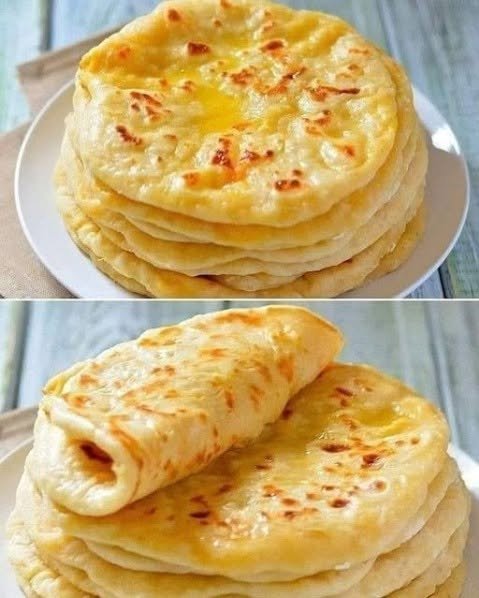
If you’re trying to cut back on flour but still miss having something warm and bread-like with your meals, this recipe is worth trying.
I usually make these flourless flatbreads when I’m craving pancakes, wraps, or a piece of bread but don’t want to make a traditional dough. They’re soft in the middle, lightly golden on the outside, and surprisingly satisfying.
Honestly, I wouldn’t call them completely “zero carb” because ingredients such as eggs and dairy still contain small amounts of carbohydrates. But they can be much lower in carbohydrates than traditional flour-based flatbreads, depending on the ingredients you choose.
And one important note: there’s no need to eat unlimited amounts just because a recipe is low-carb. I find these are most satisfying when served as part of a balanced meal.
The best part? There’s no flour, yeast, or complicated kneading involved.
Why You’ll Love This Recipe
- No wheat flour required
- Soft and flexible texture
- Naturally gluten-free when using certified gluten-free ingredients
- Easy to prepare in one bowl
- Great for wraps and sandwiches
- Delicious with both sweet and savory toppings
- A handy alternative when you’re trying to reduce refined flour
Ingredients
For the Flourless Flatbread
- 4 large eggs
- ½ cup full-fat cottage cheese
- ½ cup shredded mozzarella cheese
- 2 tablespoons grated Parmesan cheese
- 1 tablespoon melted butter or olive oil
- ¼ teaspoon salt
- ¼ teaspoon garlic powder
- ½ teaspoon dried Italian herbs
- A pinch of black pepper
For Cooking
- 1–2 teaspoons butter or olive oil, as needed
Optional Toppings
- Fresh parsley
- Chopped chives
- Chili flakes
- Extra Parmesan
- A little melted butter
- Sesame seeds, if desired
How to Make Flourless Low-Carb Flatbread
1. Blend the wet ingredients
Add the eggs and cottage cheese to a blender.
Blend for about 20–30 seconds until mostly smooth.
I usually blend the cottage cheese really well because it gives the finished flatbread a much smoother texture.
If you don’t have a blender, you can whisk everything vigorously in a bowl, although you’ll have a little more texture from the cottage cheese.
2. Add the cheese and seasonings
Pour the mixture into a bowl.
Stir in the shredded mozzarella, Parmesan, salt, garlic powder, Italian herbs, and black pepper.
Add the melted butter or olive oil and mix everything together.
The mixture will be much thinner than traditional bread dough. That’s exactly what you want.
3. Heat the pan
Place a nonstick skillet over medium-low to medium heat.
Lightly grease it with butter or olive oil.
You don’t want the pan screaming hot. A moderate temperature gives the flatbread enough time to cook through without burning the outside.
4. Cook the flatbread
Pour a small amount of batter into the center of the skillet.
Immediately tilt and gently rotate the pan to spread the mixture into a thin circle.
Cook for approximately 2–3 minutes, or until the bottom is golden and the top is mostly set.
Carefully flip it using a wide spatula.
Cook the other side for another 1–2 minutes.
I usually wait until the edges look set before flipping. If you try to flip too early, the flatbread can tear.
5. Repeat
Continue with the remaining batter, lightly greasing the pan between batches if necessary.
Try to keep the flatbreads roughly the same thickness so they cook evenly.
Stack the finished flatbreads on a plate and cover them loosely with a clean kitchen towel.
This helps keep them soft and flexible.
6. Add a buttery finish
For the version shown in the inspiration photo, brush the warm flatbreads lightly with melted butter.
Sprinkle with fresh herbs and a little Parmesan if you like.
Honestly, this simple finishing touch makes them taste much more indulgent.
Cooking Tips for the Best Flourless Flatbread
Don’t make them too thick
A thinner layer cooks more evenly and gives you a flexible flatbread that’s perfect for wrapping.
Keep the heat moderate
High heat can brown the outside before the center has a chance to set.
Medium-low heat is usually the sweet spot.
Use a good nonstick skillet
Because these flatbreads don’t contain traditional flour and gluten, they’re more delicate than regular pancakes or flatbreads.
A quality nonstick pan makes flipping much easier.
Blend the cottage cheese
If you want a smooth, bread-like texture, blend the cottage cheese with the eggs rather than leaving large curds throughout the batter.
Let them rest briefly
Freshly cooked flatbreads can be delicate. Giving them a couple of minutes to cool makes them easier to handle.
Don’t expect traditional bread
This recipe is designed as a flourless, low-carb alternative. The texture won’t be identical to wheat-based naan or tortillas, but it makes a delicious substitute for wraps and light flatbreads.
How to Keep Them Soft
Once cooked, stack the flatbreads on top of each other and cover them with a clean towel.
For longer storage, let them cool completely before placing them in an airtight container.
Refrigerate for up to 3 days.
To reheat, warm them briefly in a skillet or microwave. A few seconds is usually enough to make them soft and flexible again.
You can also freeze them with pieces of parchment paper between each flatbread.
Serving Suggestions
There are so many ways to use these.
Make a breakfast wrap
Fill one with scrambled eggs, avocado, cheese, and fresh vegetables.
Use them for sandwiches
Add grilled chicken, turkey, lettuce, tomato, and your favorite sauce.
Serve alongside dinner
I love serving warm flatbread with grilled chicken, roasted vegetables, soup, or a creamy dip.
Make a quick pizza
Top a cooked flatbread with tomato sauce, mozzarella, vegetables, and cooked chicken. Bake until the cheese melts.
Serve with dips
Try them with:
- Garlic yogurt sauce
- Hummus
- Tzatziki
- Guacamole
- Cream cheese and herbs
Approximate Nutrition Information
Estimated per flatbread, assuming 6 flatbreads:
- Calories: ~135
- Protein: ~9 g
- Fat: ~10 g
- Carbohydrates: ~2–3 g
- Fiber: ~0 g
- Net carbohydrates: ~2–3 g
Nutrition is approximate and varies according to the cottage cheese, mozzarella, Parmesan, and other ingredients used. This recipe is low-carb rather than literally zero-carb.
Frequently Asked Questions
1. Is this flatbread really zero-carb?
Not literally. Eggs and dairy contain small amounts of naturally occurring carbohydrates. However, this version is very low in carbohydrates compared with traditional flour-based flatbread.
If you need to follow a strict ketogenic or medically prescribed diet, check the nutrition information on your specific ingredients.
2. Can I make this without cottage cheese?
Yes, although the texture will change. You can experiment with softened cream cheese or Greek yogurt, but you may need to adjust the amount slightly to get a pourable batter.
3. Why did my flatbread fall apart when I flipped it?
It probably needed more cooking time. Wait until the surface is mostly set and the edges look firm before flipping.
Also, make sure your flatbread isn’t too thin.
4. Can I make these ahead of time?
Absolutely. I usually make several at once and refrigerate them in an airtight container. Reheat them gently before serving.
They’re also freezer-friendly when separated with parchment paper.
5. Can I make this recipe dairy-free?
Yes, but you’ll need to replace the cottage cheese, mozzarella, Parmesan, and butter with suitable dairy-free alternatives. Keep in mind that the texture and flavor will be different.
Final Thoughts
These flourless low-carb flatbreads have become one of my favorite alternatives when I want something warm and bread-like without reaching for a bag of flour.
They’re simple, golden, flexible, and incredibly versatile. I usually make a batch on the weekend and keep them in the refrigerator for quick breakfasts, wraps, or easy dinners during the week.
And while you’ll see recipes online calling similar flatbreads “zero carb” or saying you can eat unlimited amounts, I’d take those claims with a grain of salt. This recipe is low-carb, not truly zero-carb, and portion size still matters.
That said, if you’re looking for an easy way to enjoy a soft, satisfying flatbread while cutting back on traditional flour, this recipe is definitely worth adding to your rotation.