
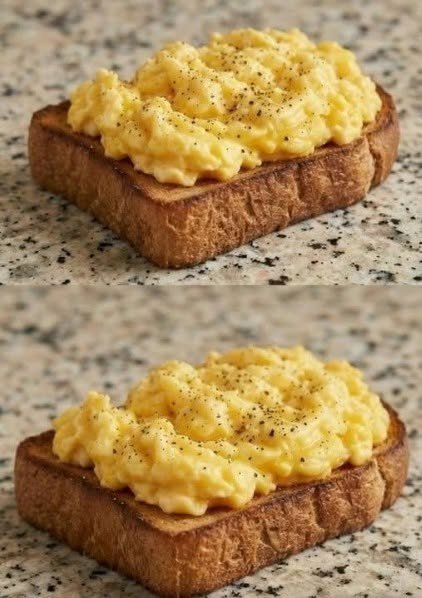
I’ve made scrambled eggs more times than I can count. Some mornings they’ve turned out dry, some days they’ve been rubbery, and other times they’ve been perfectly fine—but never quite like the fluffy, creamy eggs I get at a really good breakfast spot.
Then I changed the way I cooked them.
The secret is surprisingly simple: don’t blast the eggs with high heat. I whisk them well, add a small splash of milk, and cook them gently in butter over low to medium-low heat, stirring slowly and continuously. I also take them off the heat while they’re still slightly soft because they continue cooking from the residual heat.
The result? Soft, fluffy, creamy scrambled eggs with little golden curds that practically melt in your mouth.
And apparently, I’m not the only one impressed. My kids loved them so much that they immediately asked if I could make them again for breakfast tomorrow!
If you’ve always struggled to get restaurant-style scrambled eggs at home, this is one breakfast recipe you need to try.
Why These Scrambled Eggs Turn Out So Good
There are a few little things that make a surprisingly big difference:
- Low, gentle heat keeps the eggs tender.
- Whisking thoroughly creates a light, even mixture.
- A splash of milk adds moisture and creaminess.
- Butter adds richness and prevents sticking.
- Constant gentle stirring creates soft, fluffy curds.
- Removing the eggs slightly early prevents them from becoming dry.
Honestly, the low heat is the part I wish someone had told me years ago.
Ingredients
For about 2–3 servings, you’ll need:
- 6 large eggs
- 2 tablespoons whole milk
- 1 tablespoon butter
- 1/4 teaspoon salt, or to taste
- 1/8 teaspoon black pepper
- Fresh chives or parsley, optional
- Toast, for serving
Optional for Extra-Creamy Eggs
If you want to make these even richer, you can add:
- 1 tablespoon heavy cream instead of milk, or
- 1 tablespoon cream cheese, softened
I usually keep things simple with milk and butter. That’s enough to make a wonderfully creamy batch without making breakfast feel too heavy.
How to Make Perfect Scrambled Eggs
Step 1: Crack the Eggs Into a Bowl
Crack the eggs into a medium bowl.
Add the milk, salt, and pepper.
I prefer whisking everything together before it hits the pan. You want the yolks and whites completely combined, with the mixture looking evenly yellow.
Step 2: Whisk Until Light and Smooth
Use a fork or whisk and beat the eggs for about 30–45 seconds.
You don’t need to whip them like you’re making meringue, but give them a good whisk.
You’ll notice the mixture becomes slightly frothy. That’s a good thing—it helps create lighter, fluffier eggs.
Step 3: Melt the Butter
Place a nonstick skillet over low to medium-low heat.
Add the butter and let it melt gently.
Don’t let the butter become dark brown. You want it melted and lightly foaming.
Step 4: Add the Eggs
Pour the beaten eggs into the skillet.
Give them about 10–15 seconds to begin setting around the edges.
Then use a silicone spatula to gently move the eggs from the edges toward the center.
Step 5: Keep Stirring Gently
This is where the magic happens.
Instead of constantly chopping and scrambling the eggs into tiny pieces, I usually make slow, sweeping movements with the spatula.
Push the eggs across the pan, pause briefly, then fold them back over themselves.
Continue doing this until large, soft curds begin forming.
The key is to be gentle. You’re folding the eggs rather than aggressively stirring them.
Step 6: Take Them Off the Heat Early
This is another little trick that makes a huge difference.
When the eggs look mostly cooked but still slightly glossy and soft, remove the skillet from the heat.
Don’t wait until they’re completely firm.
The residual heat in the pan will continue cooking them for another minute or so.
If you wait until the eggs look perfectly done in the skillet, there’s a good chance they’ll be overcooked by the time they reach your plate.
Step 7: Serve Immediately
Transfer the scrambled eggs to plates right away.
Finish with another small sprinkle of black pepper and some chopped chives or parsley if you’d like.
And that’s it!
Soft, creamy, fluffy scrambled eggs without any complicated techniques.
My Best Tips for Fluffy Scrambled Eggs
1. Don’t use high heat
This is probably the biggest lesson I’ve learned.
High heat cooks eggs incredibly quickly, but it also makes it much easier to end up with dry, rubbery curds.
Low and slow is the way to go.
2. Don’t skip the butter
Butter gives the eggs a richer flavor and helps create that wonderfully creamy texture.
For six eggs, one tablespoon is usually plenty.
3. Whisk before cooking
Thoroughly mixing the yolks and whites gives you a more consistent texture throughout the eggs.
4. Don’t over-stir
It might sound strange, but frantic stirring isn’t necessary.
Gentle folding creates larger, softer curds.
5. Take the eggs off the heat before they’re fully cooked
This is one of my favorite tips.
Remember: slightly underdone in the pan often means perfectly done on the plate.
6. Use a nonstick pan
A good nonstick skillet makes cooking delicate eggs much easier and means you don’t need to use excessive butter or oil.
7. Season at the right time
I usually add salt before cooking because it’s convenient and gives the eggs even seasoning.
If you prefer, you can season them immediately after cooking instead.
What Is the Secret to Creamy Scrambled Eggs?
The real secret isn’t one mysterious ingredient.
It’s temperature and timing.
Eggs contain proteins that tighten as they heat. Cook them too aggressively, and they release moisture and become firm and rubbery.
Cooking them gently allows the proteins to set more gradually, giving you those soft, tender curds.
Adding a little milk or cream also contributes moisture and richness, while butter adds flavor.
So if your scrambled eggs have always been dry, try changing the heat and cooking time before buying a bunch of special ingredients.
Serving Suggestions
These scrambled eggs are fantastic on their own, but I especially love serving them on thick, golden toast.
Try pairing them with:
- Buttered sourdough toast
- Avocado toast
- Crispy bacon
- Breakfast sausage
- Roasted tomatoes
- Sautéed mushrooms
- Hash browns
- Fresh fruit
- Sliced avocado
- Chives or green onions
- A little shredded cheddar cheese
For a quick weekday breakfast, I’ll usually pile the eggs onto toast and call it done.
For a lazy weekend breakfast, though, I’ll add crispy bacon, roasted tomatoes, and a big cup of coffee.
Variations to Try
Cheesy Scrambled Eggs
Add 1–2 tablespoons of shredded cheddar, mozzarella, or Monterey Jack during the final minute of cooking.
Herb Scrambled Eggs
Fold in fresh chives, parsley, dill, or basil just before serving.
Cream Cheese Scrambled Eggs
Add a tablespoon of softened cream cheese while the eggs are almost finished cooking. Stir gently until creamy.
Spicy Scrambled Eggs
Add a pinch of red pepper flakes or a few drops of hot sauce.
Veggie Scramble
Cook diced peppers, onions, mushrooms, or spinach separately, then fold them into the finished eggs.
Approximate Nutrition Information
Per serving, assuming 3 servings:
- Calories: 190
- Protein: 13 g
- Fat: 14 g
- Saturated Fat: 6 g
- Carbohydrates: 2 g
- Sugar: 1 g
- Sodium: 280 mg
Nutrition is an estimate and will vary depending on the size of the eggs, amount of butter, milk, and toppings used.
Frequently Asked Questions
1. How do I make scrambled eggs fluffy?
Whisk the eggs well, cook them over low to medium-low heat, and gently fold them as they set. Avoid overcooking them. Removing the eggs from the heat while they’re still slightly glossy is one of the easiest ways to keep them fluffy and tender.
2. Should I add milk to scrambled eggs?
You can. A small amount of whole milk adds moisture and a little creaminess. You don’t need much—about 2 tablespoons for six eggs is enough.
3. Why do my scrambled eggs turn out rubbery?
They’re most likely being cooked at too high a temperature or for too long. Eggs continue cooking after you remove them from the stove, so take them off the heat while they’re still slightly soft.
4. Should I use butter or oil for scrambled eggs?
I prefer butter because it adds wonderful flavor and richness. Oil works too, especially if you’re cooking at a slightly higher temperature, but butter is my favorite for classic creamy scrambled eggs.
5. Can I make scrambled eggs ahead of time?
They’re best served immediately because that’s when they’re at their fluffiest and creamiest. You can refrigerate leftovers in a sealed container and gently reheat them, but they’ll never have quite the same texture as freshly cooked eggs.
Conclusion
I’m still laughing a little that I’ve been making scrambled eggs for decades and only recently discovered how much difference a gentle cooking temperature and a little patience can make.
There’s no fancy equipment and no complicated technique involved. Just whisk your eggs well, add a little milk, melt some butter, turn down the heat, and gently fold those eggs until they’re soft and creamy.
And whatever you do, don’t wait until they’re completely firm before taking them off the stove.