
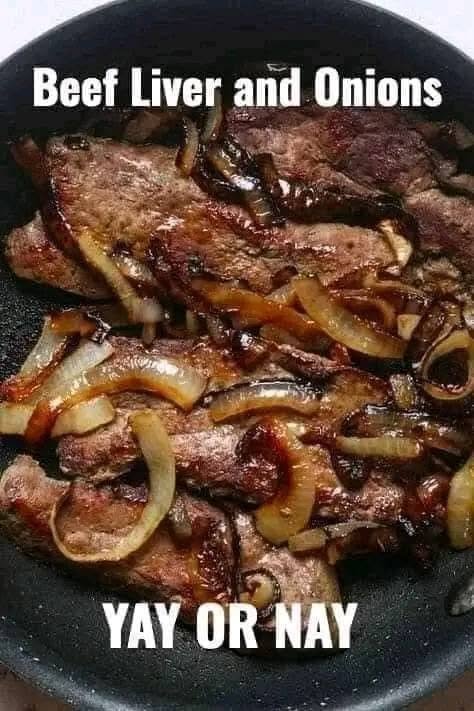
Beef liver and onions is one of those old-fashioned meals that can bring back memories of home cooking in an instant. It’s simple, inexpensive, and, when cooked properly, surprisingly delicious.
Honestly, liver wasn’t always my favorite thing to cook. The first few times I made it, I either cooked it too long or didn’t season it enough, and the result was pretty tough. Once I learned to cook the liver quickly and avoid overcooking it, everything changed.
Now I usually make this recipe when I’m craving something hearty without needing a long list of ingredients. The combination of buttery, golden-browned liver and sweet, caramelized onions is just so good.
And the ingredient list is wonderfully simple: beef liver, flour, butter, onions, and a few basic seasonings.
Ingredients
For the Beef Liver
- 1 lb beef liver, sliced into thin pieces
- ¼ cup all-purpose flour
- ¼–½ cup butter
- 1 large onion, sliced
- ½ teaspoon salt, or to taste
- ½ teaspoon black pepper
- ½ teaspoon garlic powder, optional
- ½ teaspoon paprika, optional
Optional
- 1–2 tablespoons milk, for soaking the liver
- 1 tablespoon Worcestershire sauce
- Fresh parsley, for garnish
The original version is wonderfully basic, so don’t feel like you need to add everything. I usually keep the seasoning simple because I want the buttery liver and onions to be the stars.
How to Make Beef Liver and Onions
Step 1: Prepare the Liver
If your beef liver is thick, cut it into fairly thin slices.
For a milder flavor, you can place the liver in a bowl and cover it with milk for 20–30 minutes. Drain it well and pat it dry with paper towels.
This step is optional, but I usually recommend it if you’re new to cooking liver or don’t love its strong flavor.
Step 2: Season the Flour
Put the flour in a shallow bowl or plate.
Add the salt, black pepper, and, if using, garlic powder and paprika. Mix everything together.
Dredge each piece of liver lightly in the seasoned flour. Shake off the excess—you want a thin coating rather than a thick layer.
Step 3: Cook the Onions
Melt about half of the butter in a large skillet over medium-low heat.
Add the sliced onions and cook for approximately 8–12 minutes, stirring occasionally.
You’re looking for soft, golden-brown onions. Don’t rush them. Low and slow gives them that lovely sweetness.
Once they’re caramelized, transfer them to a plate and set aside.
Step 4: Cook the Liver
Add the remaining butter to the skillet.
Increase the heat to medium.
Place the floured liver slices into the hot skillet in a single layer. Avoid crowding the pan; cook in batches if necessary.
Cook for approximately 2–4 minutes per side, depending on the thickness of the slices.
The outside should become beautifully browned while the inside remains tender.
Don’t overcook the liver. This is the biggest secret to getting a tender result. Liver can become dry, chewy, and grainy when left in the pan too long.
Step 5: Add the Onions Back
Return the cooked onions to the skillet.
If you like, add a splash of Worcestershire sauce and a tablespoon or two of water or broth.
Gently stir everything together and cook for another 1–2 minutes, just until hot and combined.
Taste and adjust the seasoning.
That’s it!
You’ve got a classic skillet dinner with very little fuss.
Cooking Tips for Tender Beef Liver
1. Don’t overcook it
This is the most important tip I can give you.
Liver cooks quickly. If you keep it in the pan for a long time, it can become tough and dry.
2. Slice it evenly
Try to keep the pieces similar in thickness so they cook at roughly the same rate.
3. Don’t skip drying the liver
If you’ve soaked the liver in milk, pat it thoroughly dry before flouring it. Excess moisture can prevent the flour coating from browning properly.
4. Use enough butter
The butter helps brown the flour coating and gives the liver that rich, savory flavor. The original recipe calls for ¼–½ cup, so adjust according to your preference.
5. Cook the onions separately
I know it means using one extra step, but honestly, it’s worth it. CookingFor food safety, beef liver should reach a safe internal temperature. Because the onions until golden before adding them to the finished liver gives them much better flavor.
6. Don’t overcrowd the skillet
If the liver is packed tightly into the pan, it’ll steam instead of brown. Give each piece a little room.
7. Use a food thermometer if you’re unsure
For food safety, beef liver should reach a safe internal temperature. Because liver can vary in thickness, a thermometer is the most reliable way to check doneness.
What to Serve With Beef Liver and Onions
This is one of those meals where simple side dishes work beautifully.
I usually serve it with:
- Creamy mashed potatoes
- Buttered rice
- Roasted or steamed vegetables
- Green beans
- Corn
- Peas
- Collard greens
- Crusty bread
- Simple garden salad
And don’t forget the onions and buttery pan juices! Spoon them over the mashed potatoes and you’ve got serious comfort food.
Approximate Nutrition Information
Assuming 4 servings and using approximately ¼ cup butter, the estimated nutrition per serving is:
- Calories: ~430–480 kcal
- Protein: ~30–35 g
- Fat: ~27–32 g
- Carbohydrates: ~15–18 g
- Fiber: ~1–2 g
- Iron: High
- Vitamin B12: Very high
These are approximate values and can vary considerably depending on the amount of butter and flour used and the size of each serving.
A note about liver: Beef liver is exceptionally rich in vitamin A, iron, and vitamin B12. Because of its high vitamin A content, it’s best enjoyed in moderation rather than as an everyday meal. Pregnant people should follow their healthcare professional’s advice regarding liver consumption.
Frequently Asked Questions
1. How do generally need only a few minutes per side. Cooking time will. The flour gives the liver a lightly crisp, browned coating, but you can it is, and how it’s prepared. Soaking it briefly in milk can mellow the flavor. cooked. If you have leftovers, refrigerate them promptly in a covered container and reheat gently. Avoid repeatedly reheating liver you keep beef liver from becoming tough?
The biggest trick is not overcooking it. Thin slices generally need only a few minutes per side. Cooking time will vary according to thickness, so use a thermometer if you’re unsure.
2. Should I soak beef liver in milk before cooking?
You don’t have to, but soaking it in milk for 20–30 minutes can help mellow its strong flavor. Drain and pat the liver dry before flouring.
3. Can I make beef liver and onions without flour?
Absolutely. The flour gives the liver a lightly crisp, browned coating, but you can skip it if you prefer. You can also use a gluten-free flour blend if needed.
4. Why does my liver taste bitter?
Strong or bitter flavor can be affected by the liver itself, how fresh it is, and how it’s prepared. Soaking it briefly in milk can mellow the flavor. Also, make sure you’re not burning the butter or flour while cooking.
5. Can I make this recipe ahead of time?
You can, although liver is best when freshly cooked. If you have leftovers, refrigerate them promptly in a covered container and reheat gently. Avoid repeatedly reheating liver because it can become tougher each time.
Final Thoughts
There’s something wonderfully comforting about a skillet full of beef liver and onions. It’s inexpensive, filling, packed with nutrients, and doesn’t require fancy ingredients.
I usually keep the recipe simple: lightly flour the liver, brown it quickly in plenty of butter, slowly caramelize the onions, then bring everything together.
Honestly, the onions are what make it for me. They’re sweet, buttery, golden, and absolutely perfect piled on top of tender liver.